
Product Science
Fluoropolymers
Fluoropolymers share the properties of fluorocarbons in that they are not as susceptible to the vander Waals force as hydrocarbons. This contributes to their non-stick and friction reducing properties. Also, they are stable due to the stability multiple carbon–fluorine bonds add to a chemical compound. Fluoropolymers may be mechanically characterized as thermosets or thermomaleables. Fluoropolymers can be Homopolymers or Copolymer. Examples of monomers used to prepare
fluoropolymers are:
- Perfluorocycloalkene (PFCA)
- Ethylene (Ethane) (E)
- Vinyl fluoride (fluoroethylene) (VF1)
- Vinylidene fluoride (1,1-difluoroethylene) (VDF or VF2)
- Tetrafluoroethylene (TFE)
- Chlorotrifluoroethylene (CTFE)
- Propylene (P)
- Hexafluoropropylene (HFP)
- Perfluoropropylvinylether (PPVE)
- Perfluoromethylvinylether (PMVE)
Fluoropolymers are produced from alkenes in which one or more hydrogen atoms have been replaced by fluorine. Polyfluoroolefins have a low coefficient of friction and low surface tension due to the weak van der Waals forces. They also have outstanding chemical, high temperature and weathering resistance due to the stability of the (multiple) carbon-fluorine bonds, which increases with the number of fluorine atoms in the repeat unit. Fluoropolymers are semi-crystalline materials, this more organized arrangement of molecules makes fluoropolymers harder and less permeable than elastomers. Fluoropolymers can be fully fluorinated or partially fluorinated, material properties between these groups will differ, ETFE, PVDF, and ECTFE have higher tensile strengths and are more abrasion resistant, while PTFE, PFA, and FEP offer higher melt points and lower coefficients of friction. Fluoropolymers have a low coefficient of friction and are very chemically resistant. The size of the fluorine atom allows the formation of a uniform and continuous covering around the carbon–carbon bonds and protects them from chemical attack, thus imparting chemical resistance and stability to the molecule. Other example of fluoropolymers includes polyethylene chlorotrifluoroethylene, polyethylene tetrafluoroethylene, fluorinated ethylene propylene, perfluoro alkoxy, lychlorotrifluoroethylene, polyvinylidene fluoride , and hexafluoropropylene–tetrafluoroethylene–ethylene copolymer (THE). These materials are resistant to a large array of chemicals, are very pure and Leachables and Extractables are extraordinarily low compared to other polymers because the thermal and chemical stability of the carbon-fluoride bonds allow them to be processed without any stabilizers or processing aids. With a combination of Fluoropolymers and the largest-volume polyfluoroolefin of tetrafluoroethylene as its base, the MICSA® product polymer combinations have unique performance properties.
Micsa Polymers
The MICSA Polymer Fluoropolymer Product combination has outstanding thermal, electrical and chemical resistance, and can be used both at very high (up to 530 K) and extremely low temperatures. Its coefficient of friction is among the lowest of all polymers (self-lubricating and non-stick), cannot be dissolved in any common solvent below its melting point and is stable even in concentrated acids and bases. It is ideal for applications where broad chemical resistance, high durability, wide service temperature range, excellent dielectric properties, low friction, and non-stick are required. The properties of MICSA – high crystallinity, very high melting point (600 K), and very high melt viscosity – do not allow its processing by the usual melt-processing methods, instead, similar to metal powder forming, the granular resins are processed by compression moulding at ambient temperature followed by sintering above the crystalline melting point.
Examples of Fluoropolymers
| Fluoropolymer | Trade names | Monomers | Melting point (°C) |
| PVF (polyvinylfluoride) | Tedlar[7] | VF1 | 200[8] |
| PVDF (polyvinylidene fluoride) | Kynar[9] Solef[10] Hylar[11] | VF2 | 175 |
| PTFE (polytetrafluoroethylene) | Sold by AGC under the tradename Fluon PTFE; Sold by Dupont and Chemours Company under the tradename Teflon; sold by Solvay Specialty Polymers under the tradenames Algoflon Hyflon and Polymist; sold by Daikin under the tradename Polyflon | TFE | 327 |
| PCTFE (polychlorotrifluoroethylene) | Kel-F (3M), Neoflon (Daikin) | CTFE | 220[8] |
| PFA, MFA [12] (perfluoroalkoxy polymer) | Sold by AGC under the tradename Fluon PFA. Sold by DuPont under the tradename Teflon. Sold by Solvay Specialty Polymers under the tradename Hyflon.[13] Neoflon (Daikin) | PPVE + TFE | 305 |
| FEP (fluorinated ethylene-propylene) | Sold by DuPont under the tradename Teflon FEP. Also known as Neoflon (Daikin) and Hyflon | HFP + TFE | 260 |
| ETFE (polyethylenetetrafluoroethylene) | Sold by AGC under the trade name of FluonETFE[14] Tefzel,;[15] sold by Daikin under the tradename Neoflon | TFE + E | 265 |
| ECTFE (polyethylenechlorotrifluoroethylene) | Halar[16] sold by Solvay Specialty Polymers | CTFE + E | |
| FFPM/FFKM (Perfluorinated Elastomer [Perfluoroelastomer]) | Kalrez.[17] Tecnoflon PFR[18] DAI-EL (Daikin) | ||
| FPM/FKM (Fluorocarbon [Chlorotrifluoroethylenevinylidene fluoride]) | Viton,[19] Tecnoflon FKM, DAI-EL (Daikin) | ||
| FEPM (Fluoroelastomer [Tetrafluoroethylene-Propylene]) | Sold by AGC under the trade name of AFLAS,[20] | TFE + P | |
| PFPE (Perfluoropolyether) | Sold by DuPont under the tradename Krytox.[21] Sold by Solvay Specialty Polymers S.p.A. as Fomblin and Galden | ||
| PFSA (Perfluorosulfonic acid) | Nafion | ||
| Perfluoropolyoxetane |
Typical Properties
| Property | Method No. | Units | PTFE | FEP | PFA | ETFE | ECTFE | PCTFE | PVDF |
| Specific gravity | D792 | – | 2.17 | 2.15 | 2.15 | 1.7 | 1.7 | 2.15 | 1.78 |
| Yield strength | D638 | MPa | 10 | 12 | 15.5 | 24 | 31 | 40 | 46 |
| Yield strength | D638 | PSI | 1450 | 1740 | 2250 | 3480 | 4500 | 5800 | 6670 |
| Elongation | % | 200- 500 |
250- 350 |
300 | 200- 500 |
200- 300 |
80-250 | 20- 150 |
|
| Tensile modulus | D638 | MPa | 600 | 500 | 700 | 1500 | 1655 | 1500 | 2400 |
| Tensile modulus | D638 | ksi | 87 | 72.5 | 101.5 | 217.5 | 240 | 218 | 348 |
| Hardness | D2240 | Shore D | 60 | 57 | 62 | 75 | 75 | 90 | 79 |
| HDT, @ 66 PSI | D648 | °F | 250 | 158 | 164 | 219 | 240 | 248 | 300 |
| HDT, @ 264 PSI | D648 | °F | 122 | 129 | 118 | 160 | 169 | – | 239 |
| Limiting oxygen index | D2863 | % | >95 | >95 | >95 | 30-36 | |||
| Dielectric constant | D150 | 1 MHz | 2.1 | 2.1 | 2.1 | 2.6 |
Homopolymers
Various types of Homopolymers are available and include:
polytetrafluoroethylene fluorinated ethylene propylene (FEP), perfluoroalkoxy (PFA and MFA), polyvinyl fluoride (PVF), polychlorotrifluoroethylene (PCTFE or CTFE), polyvinylidene fluoride (PVDF), ethylene tetrafluoroethylene copolymer (ETFE), and ethylene–chlorotrifluoroethylene (ECTFE) copolymer. The backbone is formed of carbon–carbon bonds and the pendant groups are carbon–fluorine bonds. Both are extremely strong bonds. The basic properties of MICSA stem from these two very strong chemical bonds.The size of the fluorine atom allows the formation of a uniform and continuous covering around the carbon–carbon bonds and protects them from chemical attack, thus imparting chemical resistance and stability to the molecule. MICSA 926 (an engine treatment) is rated for use up to 260°C and does not dissolve in any known solvent. The fluorine sheath is also responsible for the low surface energy (18 dyn/cm) and low coefficient of friction (0.05–0.8, static) of MICSA 926. Another attribute of the uniform fluorine sheath is the electrical inertness (or nonpolarity) of the Homopolymer molecule. Electrical fields impart only slight polarization in this molecule, so volume and surface resistivity are high.
The Homopolymer molecule is simple and is quite ordered, it can align itself with other molecules or other portions of the same molecule. Disordered regions are called amorphous regions. This is important because polymers with high crystallinity require more energy to melt. In other words they have higher melting points. When this happens it forms what is called a crystalline region. Crystalline polymers have a substantial fraction of their mass in the form of parallel, closely packed molecules. High molecular weight Homopolymer type resins have high crystallinity and therefore high melting points, typically as high as 320–342°C (608–648°F). The crystallinity of as- polymerized Homopolymer is typically 92%–98%. Further, the viscosity in the molten state (called melt creep viscosity) is so high that high molecular weight Homopolymer particles do not flow even at temperatures above its melting point. They sinter much like powdered metals; they stick to each other at the contact points and combine into larger particles.
Graded Homopolymers
Recently many manufacturers have added minute amounts of other monomers to their Homopolymer polymerizations to produce alternate grades of Homopolymers designed for specific applications. Fluoropolymer manufacturers continue to call these grades modified homopolymer at below 1% by weight of comonomer. Chemours grades of this type are called Teflon® NXT Resins. Dyneon™ TFM™ modified PTFE incorporates less than 1% of a comonomer perfluoropropyl vinyl ether (PPVE). Daikin’s modified grade is Polyflon™ M-111. These modified granular Homopolymer materials retain the exceptional chemical, thermal, antistick, and low-friction properties of conventional tetrafluorethyline resin, but in addition to offering excellent corrosion resistance, nonflammable, thermal stability from -100°C to 270°C. low coefficient of friction, exceptional mechanical resistance, almost chemically inert, dry lubrication properties and an excellent insulator, the addition of varying grades of Monomers offer some
improvements:
- Weldability
- Improved permeation resistance
- Less creep
- Smoother, less porous surfaces
- Better high-voltage insulation
Carbon-Fluorine Bonds
The addition of various monomers to the MICSA Homopolymer product, results in outstanding chemical, high temperature and weathering resistance due to the stability of the (multiple) carbon-fluorine bonds, which increases with the number of fluorine atoms in the repeat unit. The carbon–fluorine bond is a polar covalent bond between carbon and fluorine that is a component of all organofluorine compounds. It is one of the strongest single bonds in organic chemistry—behind the B-F single bond, Si-F single bond and the H-F single bond, and relatively short—due to its partial ionic character. The bond also strengthens and shortens as more fluorine’s are added to the same carbon on a chemical compound. As such, fluoroalkanes like tetrafluoromethane (carbon tetrafluoride) are some of the most unreactive organic compounds.

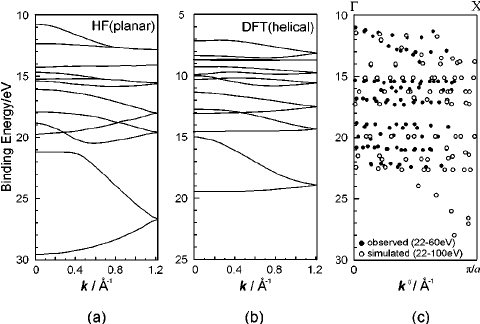
The high electronegativity of fluorine (4.0 for fluorine vs. 2.5 for carbon) gives the carbon–fluorine bond a significant polarity/dipole moment. The electron density is concentrated around the fluorine, leaving the carbon relatively electron poor. This introduces ionic character to the bond through partial charges (Cδ+—Fδ−). The partial charges on the fluorine and carbon are attractive, contributing to the unusual bond strength of the carbon–fluorine bond. The bond is labeled as “the strongest in organic chemistry,”[1] because fluorine forms the strongest single bond to carbon. Carbon–fluorine bonds can have a bond dissociation energy (BDE) of up to 544 kJ/mol.[2] The BDE (strength of the bond) is higher than other carbon–halogen and carbon–hydrogen bonds. For example, the molecule represented by CH3X has a BDE of 115 kcal/mol for carbon–fluorine while values of 104.9, 83.7, 72.1, and 57.6 kcal/mol represent carbon–X bonds to hydrogen, chlorine, bromine, and iodine, respectively.[3] The carbon–fluorine bond length is typically about 1.35 ångström (1.39 Å in fluoromethane).[1] It is shorter than any other carbon–halogen bond, and shorter than single carbon–nitrogen and carbon–oxygen bonds, despite fluorine having a larger atomic mass. The short length of the bond can also be attributed to the ionic character/electrostatic attractions between the partial charges on carbon and fluorine. The carbon–fluorine bond length varies by several hundredths of an ångstrom depending on the hybridization of the carbon atom and the presence of other substituents on the carbon or even in atoms farther away. These luctuations can be used as indication of subtle hybridization changes and stereoelectronic interactions. The table below shows how the average bond length varies in different bonding environments (carbon atoms are sp3-hybridized unless otherwise indicated for sp2 or aromatic carbon).
|
Bond |
Mean bond length (Å)[4] |
|
CCH2F, C2CHF |
1.399 |
|
C3CF |
1.428 |
|
C2CF2, H2CF2, CCHF2 |
1.349 |
|
CCF3 |
1.346 |
|
FCNO2 |
1.320 |
|
FCCF |
1.371 |
|
Csp2F |
1.340 |
|
CarF |
1.363 |
|
FCarCarF |
1.340 |
The variability in bond lengths and the shortening of bonds to fluorine due to their partial ionic character are also observed for bonds between fluorine and other elements, and have been a source of difficulties with the selection of an appropriate value for the covalent radius of fluorine. Linus Pauling originally suggested 64 pm, but that value was eventually replaced by 72 pm, which is half of the fluorine–fluorine bond length. However, 72 pm is too long to be representative of the lengths of the bonds between fluorine and other elements, so values between 54 pm and 60 pm have been suggested by other authors.
Copolymers in Blends
Many copolymers obtained at high conversion are blends. Their behavior in complex mixture is of great interest. The compatible blends are characterized by single-phase morphology. In the case of a homogeneous blend of two homopolymers, the glass transition temperature (Tg) will follow the simple additive rule (Fox equation): 1Tg=W1Tg1+W2Tg2 . An un-homogeneous blend will display at least two major glass transitions. A free radical copolymer with a narrow chemical composition distribution has only one glass transition temperature. It has been shown that the Tg of a copolymer does not always obey the Fox equation. It is better described by the equation below, which takes into account the DYAD distribution (AA, BB, AB, BA linkages on the chain backbone: see Guillot et al., 1995):
McopTg=[AA]MaTgaa+[BB]MbTgbb+[AB]Ma+[BA]MbTgab
Most of the copolymers are actually blends of various copolymers with different chemical compositions. Styrene–methyl methacrylate copolymers with only a difference of 5% in styrene content become incompatible. They are blends and the blends issue is open to many choices. At similar compositions, both block copolymers and graft copolymers should be subject to similar thermodynamic driving forces for phase separation, phase size constraint and compatibility with homopolymer mixture.Block and graft copolymers are amphiphilic molecules because they may have affinity for two different types of environments. In a dispersed system, the graft and/or block copolymers self-organize at interface and modify to a great extent interfacial properties, thus enhancing phase compatibility. In order to do so, their blocks or branches should be different enough and with a real affinity for those phases. Block and graft copolymers act as oil in oil emulsifiers. They may be absorbed at various surface: liquid/gas, liquid/liquid, solid/liquid, etc. The surface-active properties of block and graft copolymers have made them useful as dispersants, emulsifiers, foam stabilizers, and wetting agents. A huge class of compatibilizers was developed. Very attractive blends have been envisaged: inorganic fillers dispersed in rubber or plastic materials, wood flour dispersed in polyolefins, glass fibers as reinforcement for tires. ABS copolymers consist of a dispersion of poly-butadiene rubber particles in a matrix of styrene–acrylonitrile copolymer. Some of the SAN copolymer molecules become grafted to the rubber during polymerization. The grafted SAN acts as a dispersing agent. The copolymer generally consists of replicating units of two diverse monomers. Such copolymers are categorized as random copolymers, alternate copolymers, block copolymers, and graft copolymers. In random copolymers, repeating units are randomly positioned; in alternate copolymers, they are in an ordered form, while in the block copolymers, monomers are positioned at terminals; in graft copolymers, the monomer chains are positioned at varied sites on host polymers [36]. Having reactive functional groups on the structure of the host polymer is an essential parameter for the grafting reaction.
Copopolymer Sequences
Copolymer sequence is another feature that can have an important impact on the macroscopic behavior of a polymer synthesized from more than a single monomer. Some of the possible copolymer architectures include random, alternating, block, and graft copolymerization’s. Chain architecture can have a profound effect on the appearance of the NMR spectra. In addition to such chain architectures, copolymers exhibit the microstructural variations found in other polymers, including stereochemical isomerism and regioisomerism. Copolymerization Alison J. Scott, Alexander Penlidis, in Reference Module in Chemistry, Molecular Sciences and Chemical Engineering, 2017 Copolymer molecules contain two different repeating units. Copolymerization involves polymerizing two different monomers simultaneously, with the goal of incorporating both of the structures into a single polymer chain. This significantly increases the range and diversity of properties of copolymer molecules, and allows for the integration of desirable properties from differing monomer units (which can be useful for many applications). Copolymer products do not necessarily have the same composition as the prepolymerization recipe, and not all combinations of comonomers may polymerize. Alternatively, monomers that are unlikely to homopolymerize may be more inclined to form a copolymer when combined with a compatible comonomer. Therefore, polymer scientists and engineers must be able to understand and control the synthesis conditions that will influence the properties of the resulting copolymer.1 It is important to make a distinction between true copolymers and polymer blends. Copolymers contain both monomer types within a single polymer chain (this occurs during synthesis), whereas polymer blends are made via mixing techniques (combination of multiple homopolymers, which generally occurs after synthesis). Most step growth polymerizations require multiple monomer types during synthesis. Thus, in theory, the product could be classified as a copolymer. However, polymers formed via step growth are generally not considered copolymers, since two monomer units often combine to form a single repeating unit.2 In some cases, however, a step growth homopolymer can be modified via copolymerization to obtain additional desirable properties. Alternatively, most chain growth polymerization processes only require a single monomer. Therefore, in order to synthesize copolymer chains, two different monomers must be simultaneously polymerized. Chain growth copolymer composition relies on the relative concentration and reactivity of each of the component monomers. Understanding polymerization kinetics is an extremely important aspect of copolymerization studies, as it allows researchers to predict how varying recipes and conditions will affect copolymer characteristics. Properties including copolymer composition, sequence length, and molecular weight distribution must be understood and controlled, as they affect final application performance. Chain growth copolymerization will be the focus of this article.

Chain Polymerization II
The copolymer composition equation (117) can be used to show graphically the initial copolymer composition as a function of initial monomer composition (Figure 29). 163,193 Curve I shows the initial composition for an AB copolymer where r 1 > 1 and r 2 < 1. The fraction of A monomer units will be higher in the copolymer than in the mixture of the two monomers as a consequence of A being more reactive than B in the ring-opening polymerization. One may also expect that curve I corresponds to a copolymer with ‘block’ character. Curve II shows the initial composition when r 1 = r 2 = 1 and represents the composition of a pure random copolymer. The effect of comonomer composition on the initial copolymer composition is well illustrated. Initial mole raction of component A (diphenyl) in the copolymer as a function of its mole fraction in initial comonomer mixture:
Copolymerization of diphenylcyclotrisiloxane (A) and dimethylcyclotrisiloxane (B); r 1 = 2.14, r 2 = 0.045(reproduced by permission of the Division of Polymer Chemistry of the American Chemical Society from ref. 197) The description of the copolymer composition as a function of the conversion or of time is of much more interest. The first treatment was undertaken by Skeist who drew an analogy between copolymer composition and distillation of a binary mixture of liquids. 175 In the system above, if M is the total amount of A and B monomers and dM represents the number of moles of monomers that polymerize over a small time increment, the number of moles of component A in the copolymer is then XAcpdM . At the same time the number of moles of component A in the monomer has been reduced
Copolymer analysis
Copolymers cannot always be analyzed using the method described above. For example, methyl acrylate copolymerized with styrene produces lower yields of monomer than the homopolymer at the same temperature. 14 This is due to increased stability caused by the comonomer. In such cases, calibrations must be made using copolymers of known composition. Copolymer composition analysis methods using PGLC, IR and chlorine estimation methods have been compared. 23 The results are shown in Table 5 and indicate that the PGLC method gives comparable results. Since the method is performed with greater facility than the alternative methods, it is now finding extensive use.
Table 5. Copolymer Composition Analysis by PGLC, Compared with Other Methods
% Vinyl chloride in vinyl chloride/vinyl acetate copolymers
| Copolymer | By PGLC (±2%) | By IR analysis (±1%) | By chlorine estimation (mean of 2 results) |
| 49 | 55.8 | 54.7 | 60.8 ± 0.6 |
| 47 | 65.2 | 64.4 | 69.4 ± 0.1 |
| 75 | 72.2 | 72.3 | 74.1 ± 0.3 |
| 76 | 67.8 | 66.7 | 69.1 ± 0.9 |
| R46/82 | 83.9 | 84.8 | 81.8 ± 4.4 |
| R51/83 | 87.7 | 89 | 87.9 ± 1.0 |
Nicholas P. Cheremisinoff Ph.D., in Condensed Encyclopedia of Polymer Engineering Terms, 2001
Monomer Blends
Copolymers are polymeric materials with two or more monomer types in the same chain. A copolymer that is composed of two monomer types is referred to as a bipolymer, and one that is formed by three different monomer groups is called a terpolymer. Depending on how the different monomers are arranged in the polymer chain one distinguishes between random, alternating, block or graft copolymers. The four types of copolymers are schematically represented in Figure 1. A common example of a copolymer is an ethylene-propylene copolymer. Although both monomers would result in semi-crystalline polymers when polymerized individually,the melting temperature disappears in the randomly distributed copolymer with ratios between 35/65 and 65/35, resulting in an elastomeric material. EPDM rubbers are widely used because of their resistance to weathering. On the other hand, the ethylene-propylene block copolymer maintains a melting temperature for all ethylene/propylene ratios. Another widely used copolymer is high impact polystyrene (PS-HI), which is formed by grafting polystyrene to polybutadiene. If styrene and butadiene are randomly copolymerized, the resulting material is an elastomer called styrene-butadiene-rubber (SBR). Another example of copolymerization is the terpolymer acrylonitrilebutadiene-styrene (ABS). (Source: Osswald, T.A. and G. Menges, Material Science of Polymers for Engineers, Hanser Publishers, New York, 1996). Cyclodextrins as Porous Material for Catalysis Jolanta Rousseau, … Eric Monflier, in Organic Nanoreactors, 2016Nucleophilic Substitution Copolymers consisting of β-CD and EPI were used for the nucleophilic substitution of halogeno-alkanes [20]. The ratio between CD and EPI varied from 3 to 10. Methylated copolymers were also synthesized from the previous ones by methylation. The nucleophilic substitution of three bromo-alkanes was considered as a model reaction using sodium iodide as nucleophile in the presence of β-CD alone or with the synthesized CD-EPI copolymers (Scheme 2.6). In all cases, the reaction was much faster when catalyzed by the CD-EPI copolymers. The rate has increased with a direct relation of the size of the substrate. These results can be explained by the contribution of more than one β-CD that forms a supramolecular complex that acts during the phase-transfer process [20]. ProfessorMarianne Gilbert, Mr.Stuart Patrick, in Brydson's Plastics Materials (Eighth Edition), 2017
Copolymers Development
Copolymers were developed in the early days of the PVC industry, because in the rigid form they were easier to process. However, as processing of PVC became more reliable, particularly the use of twin-screw extrusion, copolymers became less important, and their use did not grow in the same way as the homopolymer. Comonomers which have been used commercially include VAc, vinylidene chloride, propylene, acrylonitrile, vinyl isobutyl ether, N-cyclohexylmaleimide, and maleic, fumaric, and acrylic esters. Of these only the first three have been of importance to the plastics industry. Some copolymers are used in the surface coatings industry. Vinyl Chloride–Vinyl Acetate Copolymers: These random copolymers typically contain 5–15% VAc (CH 2 CH(OCOCH 3 )). The VAc reduces syndiotacticity and therefore crystallinity (Gray and Gilbert, 1976) so the copolymers may be processed at lower temperatures than those used for the homopolymer. Polarity is also reduced, reducing T g slightly, so VAc has sometimes been referred to as an internal plasticizer. The reduction in polarity also reduces melt viscosity. The copolymer containing 15% VAc was developed for the compression molding of gramophone records, for which good processability was obviously extremely important. PVC/PVAc copolymers were also used in heavily filled flooring for the same reason. The use of these copolymers in plastic applications is now very limited, probably due to their replacement by low K-value homopolymers. There are however still suppliers of these materials in the Far East. PVC/PVAc copolymers produced by emulsion or solution polymerization can be used in surface coatings and adhesives. In some cases, some of the acetate groups may be saponified to OH groups, resulting in a VC/VAc/VA terpolymer. PVC/acrylic ester: An example of this group is VESTOLIT P 1982 K. This is a polybutyl acrylate/VC graft copolymer containing ≥6.3% acrylate. It is a highly impact resistant- modified PVC for production of UV and weather-resistant window sections. Copolymers and terpolymers for surface coating: A range of these products are offered by Wacker under the trade name Vinnol. They are designed to provide good adhesion to various substrates. These include terpolymers of VC, VAc and dicarboxylic acids, copolymers and terpolymers of VC, hydroxy crylate, and, a dicarboxylic acid ester, and a terpolymer of VC, VAc, and VA. The hydroxy functionality permits cross-linking reactions for coating systems to improve chemical and thermo-mechanical resistance as well as improved surface hardness and abrasion.
Table 5. Copolymer Composition Analysis by PGLC, Compared with Other Methods
% Vinyl chloride in vinyl chloride/vinyl acetate copolymers
| Copolymer | By PGLC (±2%) | By IR analysis (±1%) | By chlorine estimation (mean of 2 results) |
| 49 | 55.8 | 54.7 | 60.8 ± 0.6 |
| 47 | 65.2 | 64.4 | 69.4 ± 0.1 |
| 75 | 72.2 | 72.3 | 74.1 ± 0.3 |
| 76 | 67.8 | 66.7 | 69.1 ± 0.9 |
| R46/82 | 83.9 | 84.8 | 81.8 ± 4.4 |
| R51/83 | 87.7 | 89 | 87.9 ± 1.0 |
Nicholas P. Cheremisinoff Ph.D., in Condensed Encyclopedia of Polymer Engineering Terms, 2001
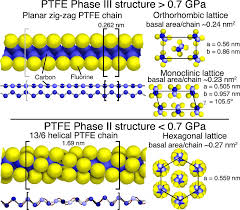
Polytetrafluoroethylene
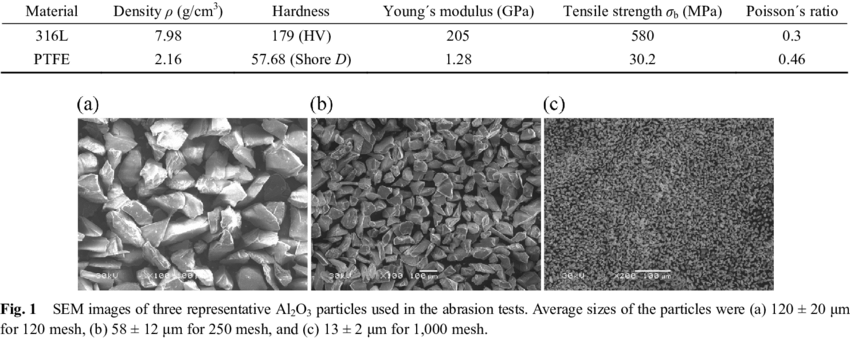
The main ingredient of an overwhelming majority of expanded polytetrafluoroethylene (ePTFE) produced in the world, as the name indicates, is polytetrafluoroethylene (PTFE) resin. This chapter examines the important properties of PTFE, including the extreme properties exhibited by PTFE, and focuses on the significant impact of replacing hydrogen with fluorine in hydrocarbon macromolecules. This substitution enhances a number of PTFE's properties, including thermal stability, chemical resistance, electrical characteristics, and the coefficient of friction. Another critical area this chapter considers is the mechanical behaviour of PTFE under various stress/strain conditions. This is important because the unique mechanical response of PTFE at high strain rates is foundational for ePTFE and MICSA products. Understanding the role fluorine plays in altering the properties of a polymer will result in a more in-depth appreciation of, and deeper insight into, the characteristics of fluorinated Fluorocompounds.
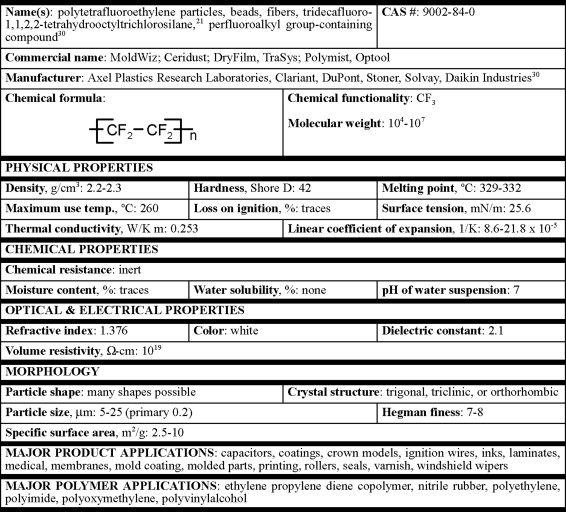
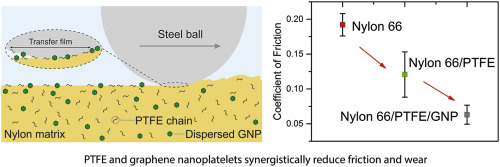
Polytetrafluoroethylene is an inert polymer having a very low coefficient of friction (0.05-0.1). Because of its chemical and physical inertness, it does not interact with other materials which form chemical associations, swell, or often polymer. Particles of various shapes (particulates and fibres) are produced to be used as additives for many polymers. 14 Incorporation of polytetrafluoroethylene has little influence on the mechanical properties of the host polymer, but substantial impact on its surface properties and coefficient of friction. Polytetrafluoroethylene is also used as mould coating. 15 Polytetrafluoroethylene-coated moulds have excellent release properties, and permit production without external or internal release agents.
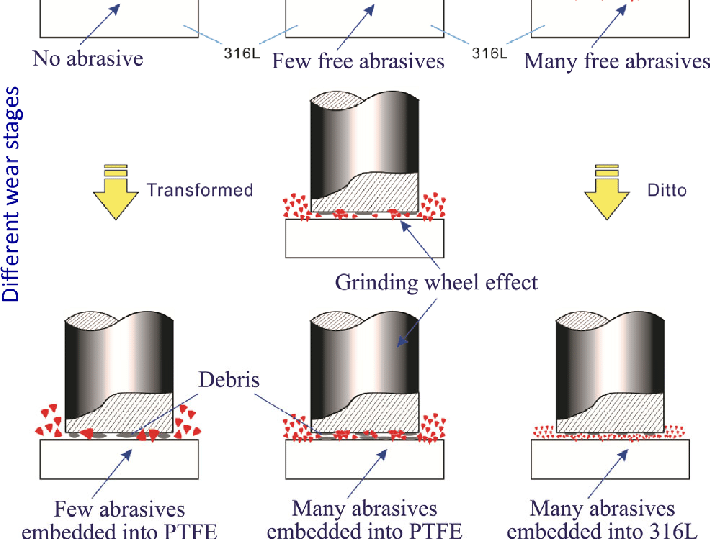
Friction
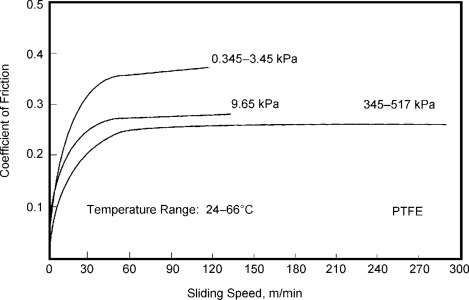
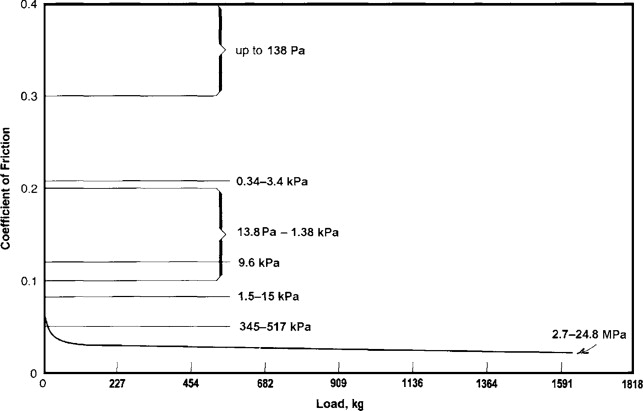
Polytetrafluoroethylene is a slippery material with a smooth surface due to its low coefficient of friction. Numerous mechanical applications have been developed for PTFE with slight or without lubrication, particularly at low velocities and pressures above 35 kPa. Table 3.26 contains values for coefficient of friction as a function of velocity. Dynamic coefficient of friction of PTFE is larger than its static coefficient of friction and grows with increasing speed until the motion is destabilized. Static coefficient of friction remains unchanged in the temperature range of 27°C–327°C which is important in applications where a polytetrafluoroethylene part may experience heat buildup and temperature increase.
Coefficient of Friction
| Type of Coefficient | Condition | Value of Coefficient |
| Static | 3.4 MPa Static Load | 0.05–0.08 |
| Dynamic (PV = 285–357 kg/cm2.cm/sec.) | Velocity (m/min) | |
| 3 | 0.1 | |
| 30 | 0.13 | |
| 300 | Unstable Operation |
Polytetrafluoroethylene’s coefficient of friction rises quickly with sliding speed (below 30 m/min, Fig. 3.26), which prevents “slipstick” behaviour. No noise takes place even at slow speeds. Above 45 m/min, sliding velocity has little effect at combinations of pressure and velocity before the PV limit of PTFE is reached. [18] Figure 3.27 indicates that static coefficient of friction decreases with increase in pressure.
Surface Treatment of Polytetrafluoroethylene for Adhesion Polytetrafluoroethylene (PTFE) has extremely low surface energy and is well known for its non-stick properties. Wetting the PTFE surface with commercial solvents and liquid adhesives is virtually impossible. The PTFE surface must, therefore, be treated, or chemically modified, in order to impart polar functional groups capable of forming hydrogen bonds. Most plastics, such as polyolefins and polyamides respond to common methods of surface treatment, such as corona, flame, and acid etching. A few companies advertise services for PTFE surface treatment by plasma methods. This chapter describes both sodium etching and plasma methods.
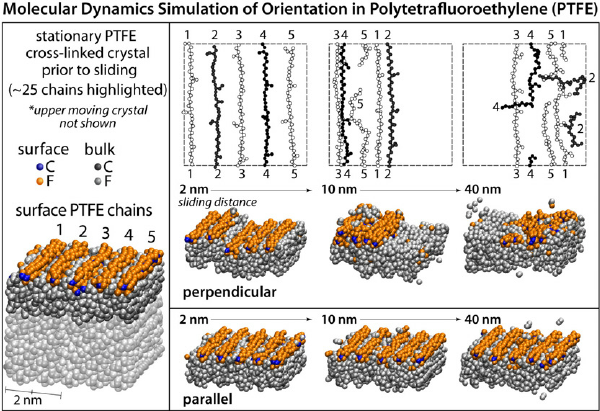
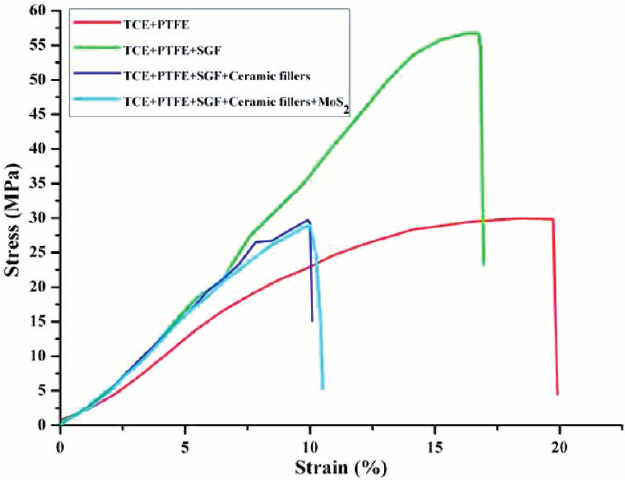
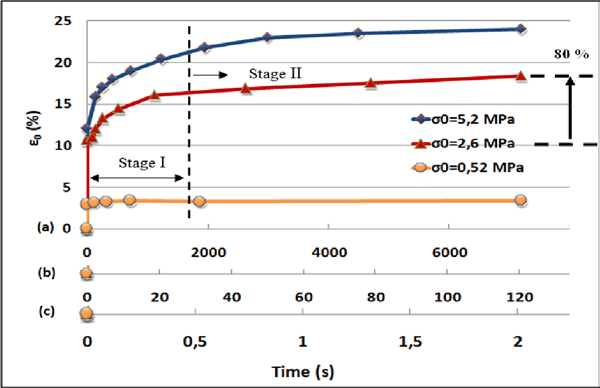
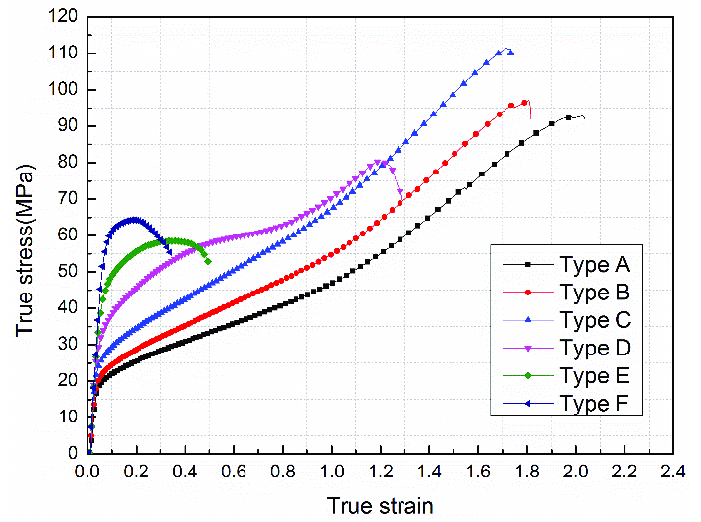
Properties, Characteristics, and Applications of Expanded PTFE (ePTFE) Products Abstract Polytetrafluoroethylene (PTFE) is the base thermoplastic material for manufacturing expanded PTFE (ePTFE) membranes and other products. PTFE’s remarkable extreme properties include resistance to nearly all commercial chemicals and steady mechanical endurance in the temperature range of −260 to 250°C. The major drawback to this plastic is its relatively low strength as compared to other engineering plastics. Consequently, it has a tendency to flow under modest tensile or compressive loads, and this tendency is aggravated as the temperature increases. The traditional remedy has been to incorporate fillers into PTFE. But these fillers alter a number of PTFE’s properties, thereby limiting its applications and usefulness.
Fluoropolymers Fabrication Techniques
Polytetrafluoroethylene (PTFE) cannot be processed by melt-processing techniques, such as extrusion, injection moulding, blow moulding, or others, because of its extremely high melt viscosity. PTFE does not flow, which is a basic requirement in melt-processing technologies. Parts with intricate design made from PTFE can be only fabricated by machining of moulded stock shapes or rough-moulded parts. Sometimes PTFE must be bonded to itself or to other materials. PTFE is known for its non-stick properties and requires special surface treatment to be rendered adherable. This chapter describes a number of techniques commonly used to fabricate and finish parts made from PTFE.
Thermoplastic Composites
Polytetrafluoroethylene (PTFE): exceptional chemical resistance; high heat and cold behaviour; high hot and wet insulating properties; UV, light, and weathering resistances; low coefficient of friction; antiadherent; flexural dynamic fatigue endurance; high resistance to fire; food contact and medical grades; very low water absorption. Perfluoroalkoxy (PFA): injection and extrusion grades with the same advantages as PTFE. Perfluoropoly(ethylene propylene) (FEP): injection and extrusion grades with the same advantages as PTFE but a slightly lower performance: 200°C maximum continuous use temperature instead of 260°C. Polychlorotrifluoroethylene (PCTFE), ethylene–tetrafluoroethylene (ETFE): the same advantages as PTFE but lower performance: 150°C maximum continuous use temperature instead of 260°C. Polyvinylidene fluoride (PVDF): excellent weathering resistance; other advantages similar to PCTFE and ETFE; piezoelectric properties.
Production
The main method used for the industrial synthesis of fluoropolymers is free-radical polymerisation.[6–8,10,11] The polymerisation process is mostly water-based, using either aqueous suspension, or aqueous emulsion polymerisation in the presence of fluorinated emulsifiers such as ammonium perfluorooctanoate. The reactions are often carried out at low temperatures (0–1008C) to remove heat from the system and avoid thermal decomposition of the gaseous monomers. Initiators for the polymerisation process are usually water soluble peroxides such as ammonium persulfate, KMnO4, or a trialylboron catalyst. In some cases small amounts of additives are added (,0.1%) to allow crosslinking or to slightly modify properties. All fluoroplastics are commercially produced in this manner. PTFE, the most common fluoroplastic, has the advantage of not being soluble in any known solvent making it ideal for this process. After polymerisation, the PTFE precipitates out of solution making it easy to collect. As PTFE is non-melt processable, it is produced in three main forms: granular pellets, fine powders, and aqueous dispersions. Granular pellets are made by polymerising TFE alone in the presence of an initiator (suspension polymerisation), while fine powders and aqueous dispersions are produced by the addition of a fluorinated surfactant (emulsion polymerisation). Production of melt processable fluoroplastics proceed via addition polymerisation processes in a similar manner to PTFE with various chain transfer agents used to control the molecular weight of the resins. For copolymers and terpolymers, careful control of the monomer ratios is maintained to ensure optimal blending. Temperature, pressure, and additives are regulated depending on the reactivity’s of the monomers and the polymer composition. Crosslinking, either through irradiation or the introduction of additives, can also be achieved. After polymerisation, the polymers are recovered, washed, dried, and converted into pellets or cubes ready for melt fabrication processes. Amorphous fluoropolymers and FEVE polymers are solvent soluble further aiding their processability. FEVE resins also contain reactive hydroxy groups that can be crosslinked with aliphatic isocyanates, to produce fluorourethane coatings, or through conversion into the corresponding silinols.